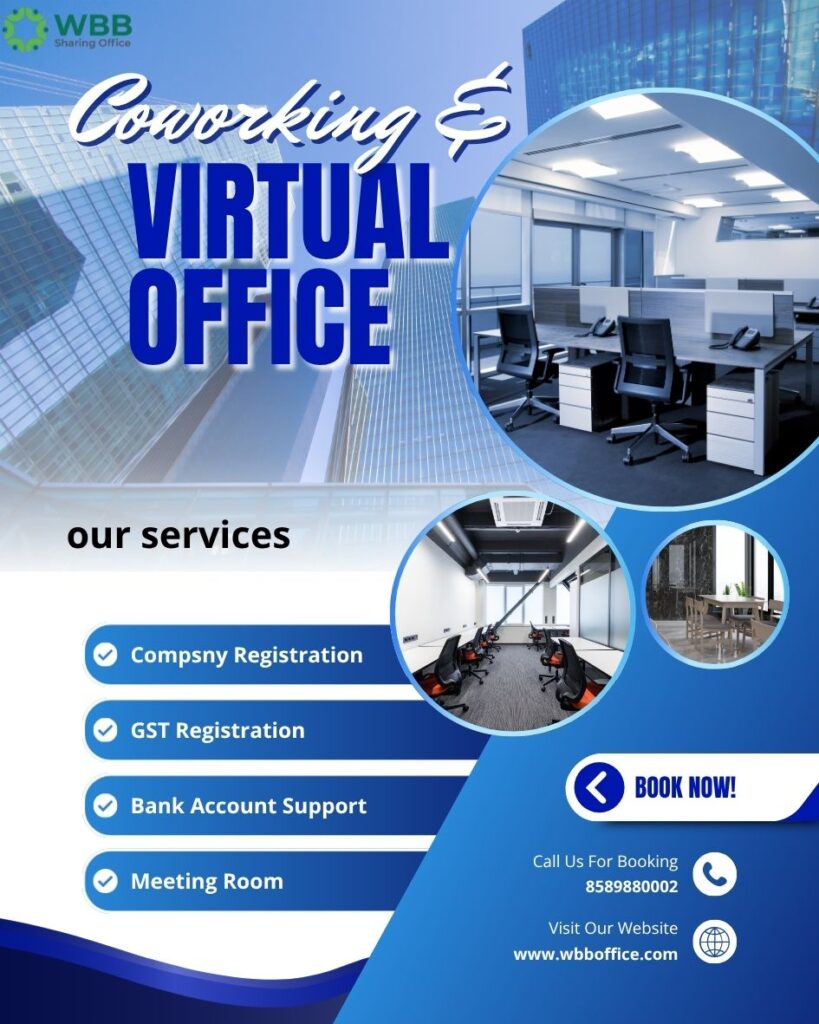
In today’s fast-paced business environment, startups need agility, cost efficiency, and a strong professional presence to grow quickly. Traditional office setups often come with high costs and long-term commitments—something most startups can’t afford in their early stages. This is where virtual offices step in as a game-changing solution.
What is a Virtual Office?
A virtual office provides businesses with a professional address, mail handling, and access to office-related services—without the need for a physical workspace. It allows startups to operate remotely while maintaining a credible business presence.
1. Significant Cost Savings
One of the biggest advantages of a virtual office is reduced overhead costs. Startups can avoid expenses like:
- Office rent
- Utilities
- Furniture and maintenance
- Administrative staff
This allows founders to invest more in product development, marketing, and hiring—key areas that drive growth.
2. Instant Professional Business Presence
A premium business address in a prime location enhances credibility. Startups can use this address for:
- Company registration
- GST registration
- Business communication
This helps build trust with clients, partners, and investors without the need for a physical office.
3. Flexibility to Scale Anytime
Virtual offices give startups the freedom to scale operations without worrying about space limitations. Whether you’re expanding your team or entering new markets, there’s no need to relocate or upgrade office space.
This flexibility is crucial for startups experiencing rapid growth.
4. Access to Multiple Locations
With virtual office services, startups can establish a presence in multiple cities without physically being there. This is especially useful for:
- Expanding into new markets
- Building a nationwide brand
- Serving clients across regions
It gives startups a competitive edge and a broader reach.
5. Supports Remote Work Culture
Modern startups often operate with remote or hybrid teams. Virtual offices perfectly complement this model by:
- Eliminating the need for a central workspace
- Allowing teams to work from anywhere
- Improving work-life balance
This leads to higher productivity and employee satisfaction.
6. Easy Business Compliance
Virtual offices simplify legal and regulatory processes. They provide valid documentation required for:
- Business registration
- GST registration
- Banking purposes
This makes it easier for startups to get started and remain compliant.
7. Focus on Core Business Activities
By removing the burden of managing a physical office, startups can focus on what truly matters:
- Building their product or service
- Acquiring customers
- Scaling operations
Less time spent on administration means more time for growth.
8. Enhances Brand Image
A reputable business address and professional services (call handling, mail forwarding, etc.) help create a strong brand image. This is especially important when competing with established companies.
Conclusion
Virtual offices are no longer just an alternative—they are a strategic tool for modern startups. By reducing costs, increasing flexibility, and enhancing professionalism, they enable startups to scale faster and smarter.
For entrepreneurs looking to grow without the limitations of traditional office spaces, a virtual office is the perfect solution.